MD, Internal Medicine
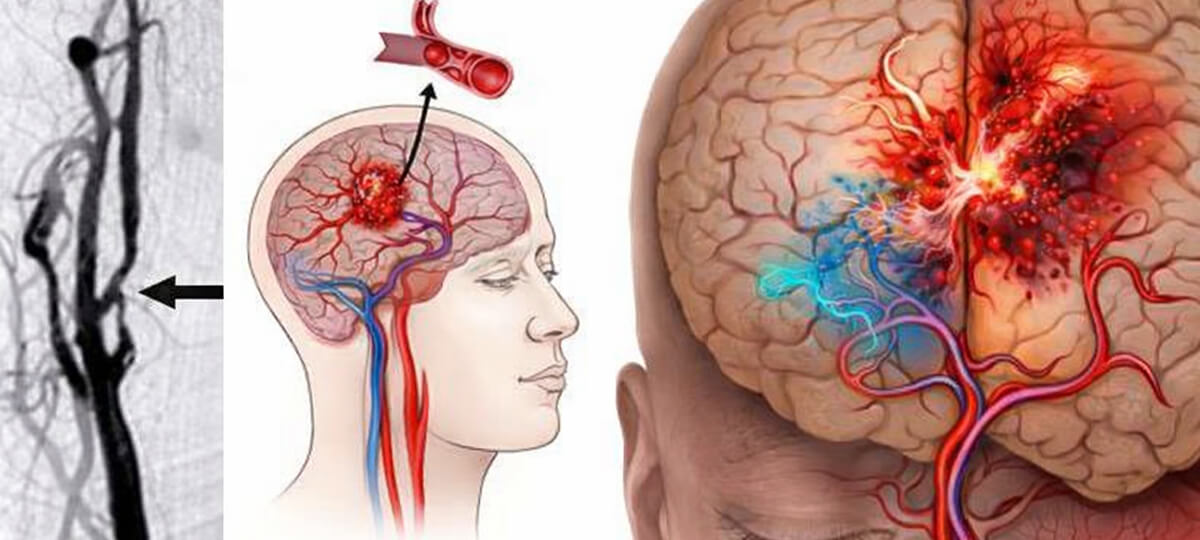
Stroke is a life-threatening medical emergency that occurs when the blood supply to a part of the brain is blocked (ischemic stroke) or when a blood vessel ruptures (hemorrhagic stroke). When the brain does not receive adequate oxygen and nutrients, brain cells begin to die within minutes.
Immediate medical attention is critical to prevent permanent brain damage, disability, or even death. Early diagnosis, timely referral for advanced treatment, stabilization, and long-term management of risk factors significantly improve recovery outcomes.
Seek urgent medical care if you notice any of the following symptoms:
Remember: Time is Brain. Early treatment saves brain cells and improves recovery.
Early medical evaluation can help detect warning signs and prevent a major stroke.
Stroke risk increases with the following conditions:
Regular health check-ups, proper blood pressure control, diabetes management, cholesterol monitoring, smoking cessation, and healthy lifestyle habits play a crucial role in reducing the risk of stroke.
Early detection and timely management of risk factors can significantly reduce the chances of stroke and its complications.